







Target Muscle and Movement Problems with Precise Treatment
A painful or sensitive muscle can make everyday movement harder than it should be. Reaching, turning your head, gripping, walking, or exercising may become uncomfortable when muscle-related symptoms are limiting how you move. At Meier & Marsh Physical Therapy, dry needling in West Valley City, Tooele in Northpointe, Tooele on Main Street and Grantsville, UT is one treatment our specially trained physical therapists may use when the examination identifies muscle or soft tissue findings that are appropriate for the technique. We use dry needling for a specific clinical purpose, then connect it to the movement and exercise needed to make practical progress.
What Is Dry Needling?
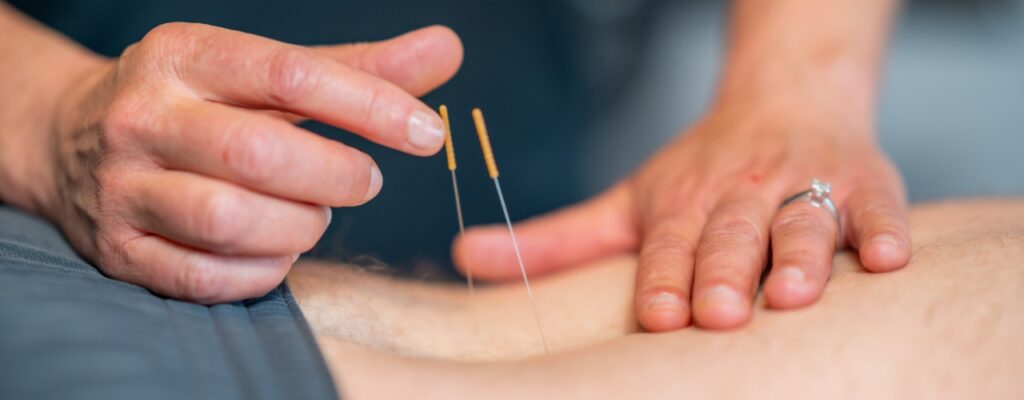
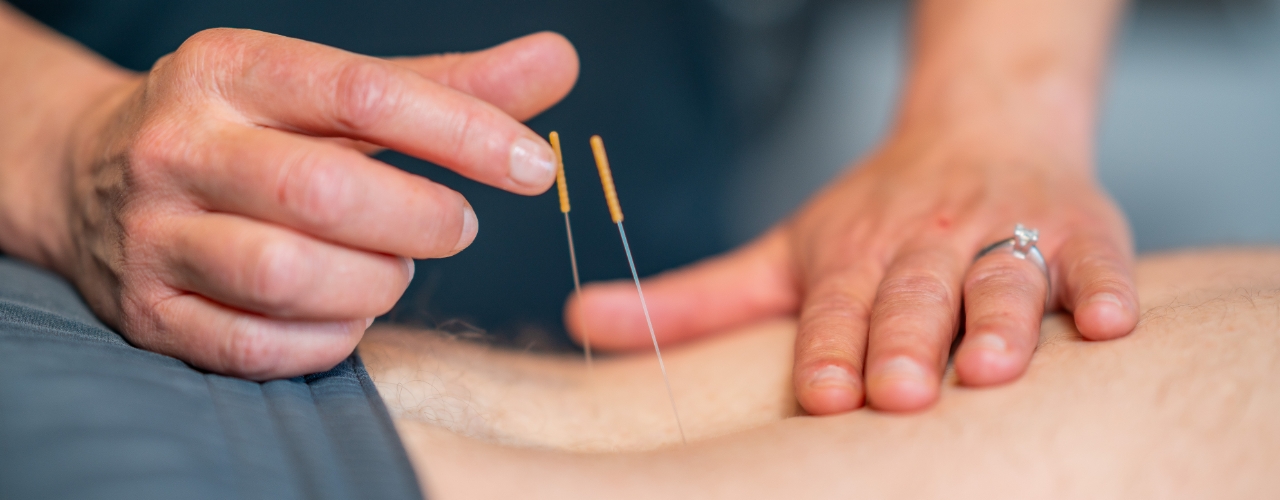
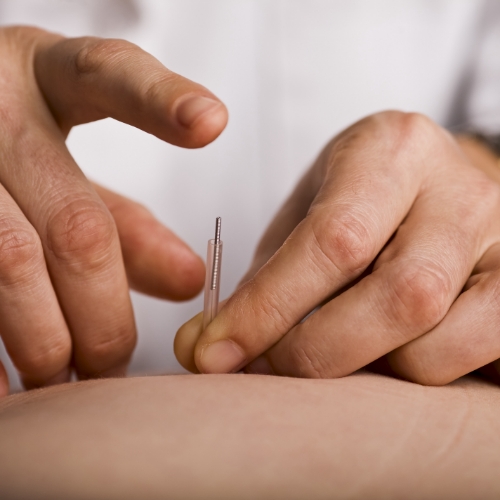
Dry needling involves inserting a thin, solid filament needle through the skin and into targeted muscle or connective tissue. Unlike an injection, the needle does not deliver medication.
The technique may be used to address muscle pain, tenderness, or movement restrictions associated with certain neuromusculoskeletal problems. The location selected for needling depends on the therapist’s examination rather than simply placing needles wherever a patient reports pain.
How We Determine Whether Dry Needling Is Appropriate
Dry needling is not automatically the right treatment for a painful or tight muscle. Our physical therapists first examine how the area moves, which activities reproduce symptoms, and whether muscle-related findings appear relevant to the problem you are having.
Your therapist may assess:
- Muscle tenderness and sensitivity
- Range of motion
- Muscle activation and strength
- Movements that reproduce your symptoms
- Whether muscle symptoms interfere with reaching, lifting, walking, or exercise
- How nearby joints and muscles contribute to the movement
- Relevant special tests
- Your medical history and precautions for needling
Screening is an important part of the decision. Your physical therapist also considers factors such as medications, skin condition, medical history, needle tolerance, and other precautions before recommending dry needling.
Precise Needling Based on the Examination
When dry needling fits the clinical findings, the therapist identifies the specific muscle or tissue to be treated and selects the technique accordingly. Needle placement, depth, and treatment approach vary according to the anatomy and purpose of the treatment.
For example, dry needling may be considered when calf muscle symptoms are interfering with walking or running, or when shoulder muscle pain is making reaching and strengthening difficult. The goal is not simply to make a muscle feel different. The treatment should help create a useful change that can be carried into movement.
Dry Needling Works Best as Part of Active Rehabilitation
Dry needling is generally one component of physical therapy rather than the entire treatment plan. A short-term reduction in muscle pain or sensitivity can be useful when it allows you to move more comfortably and participate more effectively in exercise.
A runner treated for calf symptoms may move into calf loading and running preparation. A patient receiving dry needling for shoulder-related muscle pain may follow it with exercises that build the strength and control needed for reaching, lifting, or returning to the gym.
What happens after needling depends on why the technique was selected. Treatment may progress into:
- Active mobility for a previously restricted movement
- Strengthening for a muscle that needs greater capacity
- Movement retraining for a task that has been difficult
- Progressive loading for exercise or sports
- Functional practice for work or daily activities
- A targeted home program to reinforce gains between visits
Using the Treatment Response to Guide the Next Step
Our physical therapists look for more than soreness or a local muscle response after dry needling. We reassess the movement or task that led us to use the technique in the first place.
If reaching becomes easier, a restricted movement improves, or exercise is better tolerated, that information can guide the next stage of treatment. If dry needling does not produce a useful change, the plan should shift toward other treatments that better address what is limiting you.
Specialized Training Matters with Dry Needling
Dry needling requires detailed knowledge of anatomy and specific training in safe needle placement. At Meier & Marsh Physical Therapy, it is performed by physical therapists with the appropriate training who understand how the technique fits into a larger rehabilitation plan.
Our approach is focused on clinical reasoning rather than using dry needling simply because an area hurts. We determine what is limiting your movement, decide whether needling can address part of that problem, and pair it with the active treatment needed to help you get back to normal.
Frequently Asked Questions
Find Out Whether Dry Needling Is Right for You
Dry needling may be useful when specific muscle-related findings are contributing to pain or restricted movement. A physical therapy evaluation can determine whether the technique fits your problem and what should be done alongside it to turn a short-term response into practical improvement.
Contact Meier & Marsh Physical Therapy today to learn more about dry needling in West Valley City, Tooele in Northpointe, Tooele on Main Street or Grantsville, UT. Our physical therapists can evaluate what is limiting you and determine whether dry needling should be part of the precise treatment you need to improve the way you move.
Your Next Steps…
- Request An Appointment
- Receive A Custom Treatment Plan
- Work Hard and Progress In Your Recovery
- Recover & Enjoy Life Pain-Free