














Keep Moving Through Pregnancy with Less Pelvic Pain
Getting out of bed should not feel like an obstacle course. Neither should climbing stairs, getting dressed, walking through the grocery store, or turning over at night. Yet these everyday movements can become uncomfortable when pregnancy-related pelvic girdle pain develops. At Meier & Marsh Physical Therapy, physical therapy for pregnancy-related pelvic girdle pain in West Valley City, Tooele in Northpointe, Tooele on Main Street and Grantsville, UT starts by finding the movements and physical demands that are giving you trouble. Our specialists assess how your hips, pelvis, trunk, and surrounding muscles are working together, then prescribe treatment to help you move more comfortably and stay active during pregnancy.
What Is Pregnancy-Related Pelvic Girdle Pain?
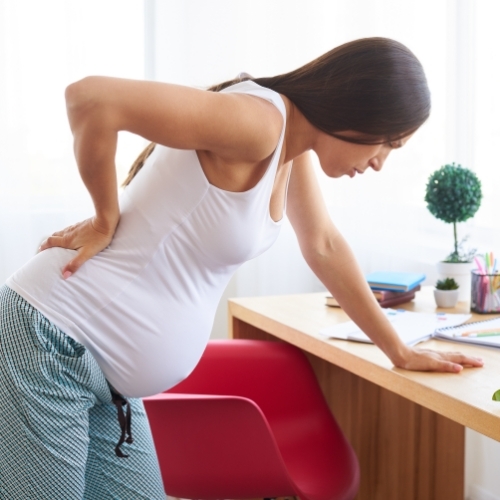
Pregnancy-related pelvic girdle pain, sometimes called PGP, refers to pain felt around the joints and tissues of the pelvis during pregnancy. Symptoms can occur around the back of the pelvis near the sacroiliac joints, at the pubic bone in the front, or in both areas.
Some people also feel pain into the buttocks, hips, groin, or thighs. Symptoms often become more noticeable during activities that place different demands on each side of the body.
The location and behavior of your symptoms help your physical therapist determine what should be examined.
Common problems include pain with:
- Walking
- Climbing stairs
- Standing on one leg
- Getting dressed
- Getting in or out of a car
- Rolling over in bed
- Getting up from a chair
- Lifting or carrying
- Exercising
- Standing for longer periods
Your Pelvis Is Not Falling Apart
Pelvic girdle pain is sometimes explained as the pelvis becoming unstable because pregnancy hormones make the joints too loose. That explanation can make normal movement sound dangerous.
Pregnancy does involve changes in hormones, body weight, muscle demands, and the way your body manages everyday movement. However, pain does not mean your pelvis is damaged or that you need to keep the area perfectly still.
Our goal is to identify the specific physical demands your body is having difficulty managing and help you build the capacity to handle them better.
We Look at the Movements That Actually Hurt
A useful examination needs to reproduce and understand the problem you experience outside the clinic. If stairs hurt, we want to see how you climb stairs. If rolling in bed is difficult, we look at the strength and movement needed for that task.
Depending on your symptoms, your therapist may examine:
- Hip and trunk strength
- Hip and spinal mobility
- Balance and single-leg control
- Walking
- Squatting
- Stairs
- Transfers, such as getting up from a chair
- Movements that require shifting weight from one leg to the other
- Breathing and abdominal muscle function
- Pelvic floor function when symptoms indicate it is relevant
We also use appropriate clinical tests to help determine whether symptoms are coming from the pelvic girdle or whether another hip, back, or neurological problem needs consideration.
The findings give us a specific treatment target rather than a generic pregnancy exercise program.
Build Strength for the Demands Pregnancy Is Adding
As pregnancy progresses, everyday movements can require more work from the hips and trunk. If your examination shows that reduced strength or endurance is making a task difficult, progressive exercise becomes an important part of treatment.
For example, hip and leg strengthening may help when stairs, walking, or getting up from a chair reproduce symptoms. Trunk exercises may be used when you have difficulty controlling or tolerating lifting and transitional movements.
Exercises are chosen for a reason. We increase or modify them based on how you respond and what you need to keep doing.
Change Painful Movements Without Avoiding Movement
Sometimes a small change in how you perform a task can make an immediate difference. Your physical therapist can help you test different strategies for rolling in bed, getting into a car, standing from a chair, dressing, or moving through other activities that are uncomfortable.
These modifications are not rules you need to follow forever. They are practical tools that can reduce unnecessary irritation while you continue building strength and tolerance.
We want you moving, not becoming afraid of movement.
Pelvic Floor Treatment Is Used When the Pelvic Floor Is Involved
Pregnancy-related pelvic girdle pain does not automatically mean there is a pelvic floor problem. Some patients primarily need orthopedic treatment for the hips, pelvis, back, and surrounding muscles.
For others, the examination may show that pelvic floor tension, tenderness, poor coordination, or difficulty managing pressure is contributing to symptoms. In those cases, pelvic floor treatment can be incorporated into the plan.
We do not automatically prescribe strengthening exercises. The treatment depends on what your pelvic floor is doing and whether that finding is connected to your pain or functional limitations.
Stay Active Without Following a One-Size-Fits-All Exercise List
Many people want to continue walking, strength training, running, fitness classes, or other exercise during pregnancy. Pelvic girdle pain does not automatically mean those activities must stop.
Your therapist can identify which movements or training demands are currently difficult and help you modify them. That might mean changing the exercise variation, resistance, range, volume, or movement strategy while maintaining as much activity as your symptoms and pregnancy allow.
As your abilities change, we reassess. The goal is to keep your program appropriate for what your body can manage now rather than applying the same restrictions throughout pregnancy.
Make Everyday Tasks Easier to Manage
Not every treatment goal involves formal exercise. Sometimes the biggest win is being able to roll over in bed without planning every movement or walk through the store without needing to cut the trip short.
Progress is measured by what you can do, how your symptoms respond, and whether you can tolerate more of your normal routine.
We can build treatment around the daily tasks pregnancy-related pelvic girdle pain has made difficult. That may include:
- Walking through work or daily errands
- Going up and down stairs
- Sleeping and changing positions in bed
- Getting dressed
- Getting in and out of the car
- Caring for other children
- Lifting household items
- Continuing appropriate exercise
Support Belts Can Be Useful for Some Patients
A pelvic support belt can reduce symptoms during certain activities for some people with pelvic girdle pain. It is not automatically necessary, and wearing one does not mean your pelvis needs to be “held together.”
Your therapist can help determine whether a belt changes your symptoms during walking, standing, or another specific task. If it helps, we can show you how to use it as one part of a broader treatment plan that still emphasizes movement and strength.
Pregnancy Pain Still Deserves the Right Evaluation
Pelvic girdle pain is common during pregnancy, but that does not mean every new pain should automatically be attributed to pregnancy. Our physical therapists screen your symptoms and determine whether they fit a musculoskeletal pattern appropriate for rehabilitation.
New or concerning symptoms that do not fit that pattern should be discussed with your OB-GYN, midwife, or other appropriate medical provider. Physical therapy works alongside your pregnancy care rather than replacing it.
Clinical Expertise for a Body That Is Continually Changing
Pregnancy changes the physical demands on your body over time. A treatment plan that worked earlier may need to change as your strength, symptoms, activity level, and pregnancy progress.
At Meier & Marsh Physical Therapy, we regularly reassess what is limiting you and adjust treatment accordingly. You will understand what we found, why you are doing each exercise or movement strategy, and how it connects to the activities you want to continue.
That combination of clinical expertise, education, and practical treatment helps you make informed decisions about movement throughout pregnancy.
Frequently Asked Questions
Keep Doing More of What Matters During Pregnancy
Pelvic girdle pain can make everyday movement harder, but the answer is not necessarily to stop moving and wait for pregnancy to end. A precise physical therapy assessment can identify which muscles, movements, and physical demands are contributing to your limitations.
Contact Meier & Marsh Physical Therapy for physical therapy for pregnancy-related pelvic girdle pain in West Valley City, Tooele in Northpointe, Tooele on Main Street and Grantsville, UT. Our specialists can help you improve strength, movement, and activity tolerance so you can keep up with daily life and the activities that matter to you throughout pregnancy.
Your Next Steps…
- Request An Appointment
- Receive A Custom Treatment Plan
- Work Hard and Progress In Your Recovery
- Recover & Enjoy Life Pain-Free